Turf for Training and Recreation
Sports Turf Installation in Tallahassee
Plan a turf surface around your sport and training needs. Get a Free Estimate
Turf for Training and Recreation
Plan a turf surface around your sport and training needs. Get a Free Estimate
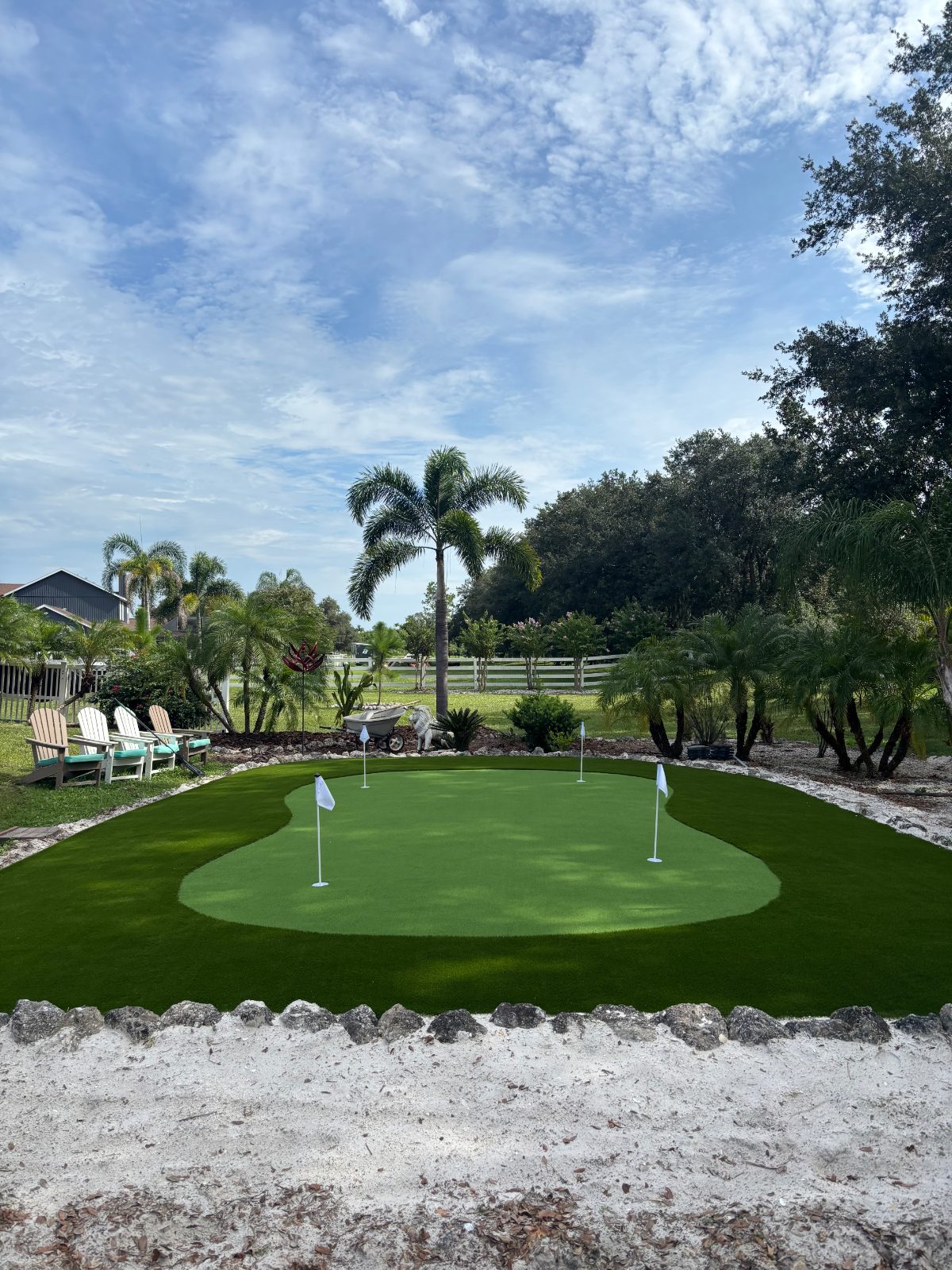
Repeated athletic drills can wear natural grass quickly, especially in compact practice spaces where the same routes, starts, stops, and footwork happen day after day. Sports turf creates a consistent surface that can support training and recreation without waiting for grass to recover between sessions.
We install sports turf for residential and specialty practice areas around Tallahassee and Leon County. The right system depends on what the surface will be used for. A small agility lane, backyard soccer practice area, general fitness zone, or multi-use recreational space can have different requirements for pile height, firmness, traction, infill, drainage, shock response, and surrounding clearances. We begin with the activity and build from there.
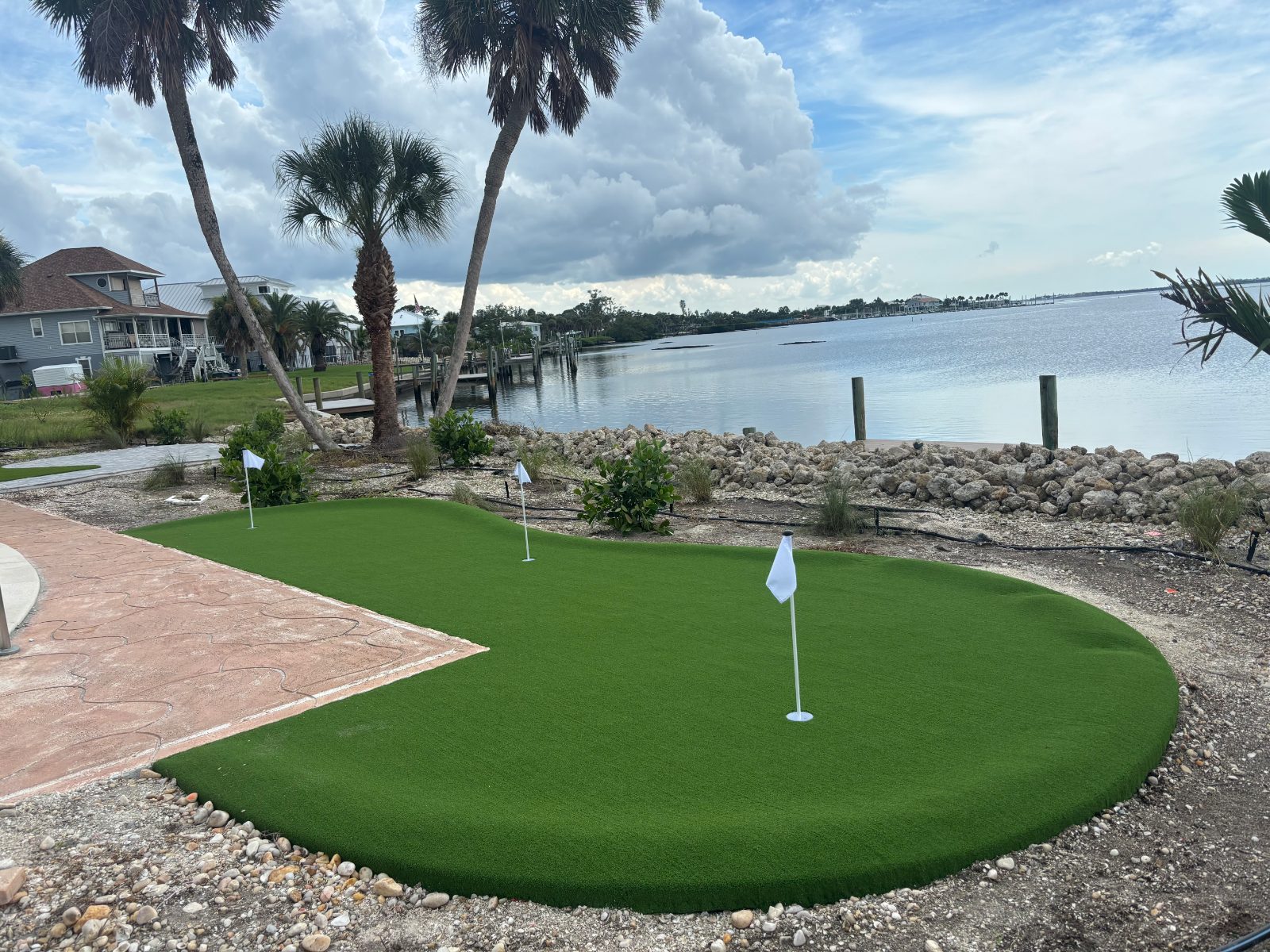
Sports turf should be chosen around the movements that will happen most often. Running, lateral drills, ball work, youth recreation, sled work, and general fitness can place different demands on the turf. We discuss those movements before recommending a surface.
Athletic use magnifies soft spots and uneven areas. The underlying base needs to remain stable under repeated traffic while still supporting the intended drainage. We remove unsuitable material, grade the site, and compact the aggregate base carefully before turf goes down.
The right amount of traction is important. Too little can make a surface feel unstable, while excessive grip can also be undesirable for some movements. Turf construction and infill contribute to how the surface behaves, so the product should match the application rather than being selected on appearance alone.
One advantage of synthetic turf is that it does not need growing time after heavy use, but the area still needs to drain after storms. We evaluate runoff and surrounding grades to help keep the practice surface usable after normal rainfall conditions. Customers should also understand that every athletic application has its own safety considerations. For formal organized sports, governing-body requirements, fall protection standards, field markings, and performance specifications may apply. We identify the intended use early so the project can be planned appropriately.
A compact training zone can support footwork, conditioning, stretching, and general fitness without turning the same section of lawn into bare ground.
Small-sided ball work, touches, passing drills, and youth practice can benefit from a consistent surface. The available dimensions and surrounding clearances help determine what drills the area can reasonably support.
Long, narrow turf lanes can create dedicated space for running drills, sled work, or general conditioning. Base firmness and turf selection are matched to the activity.
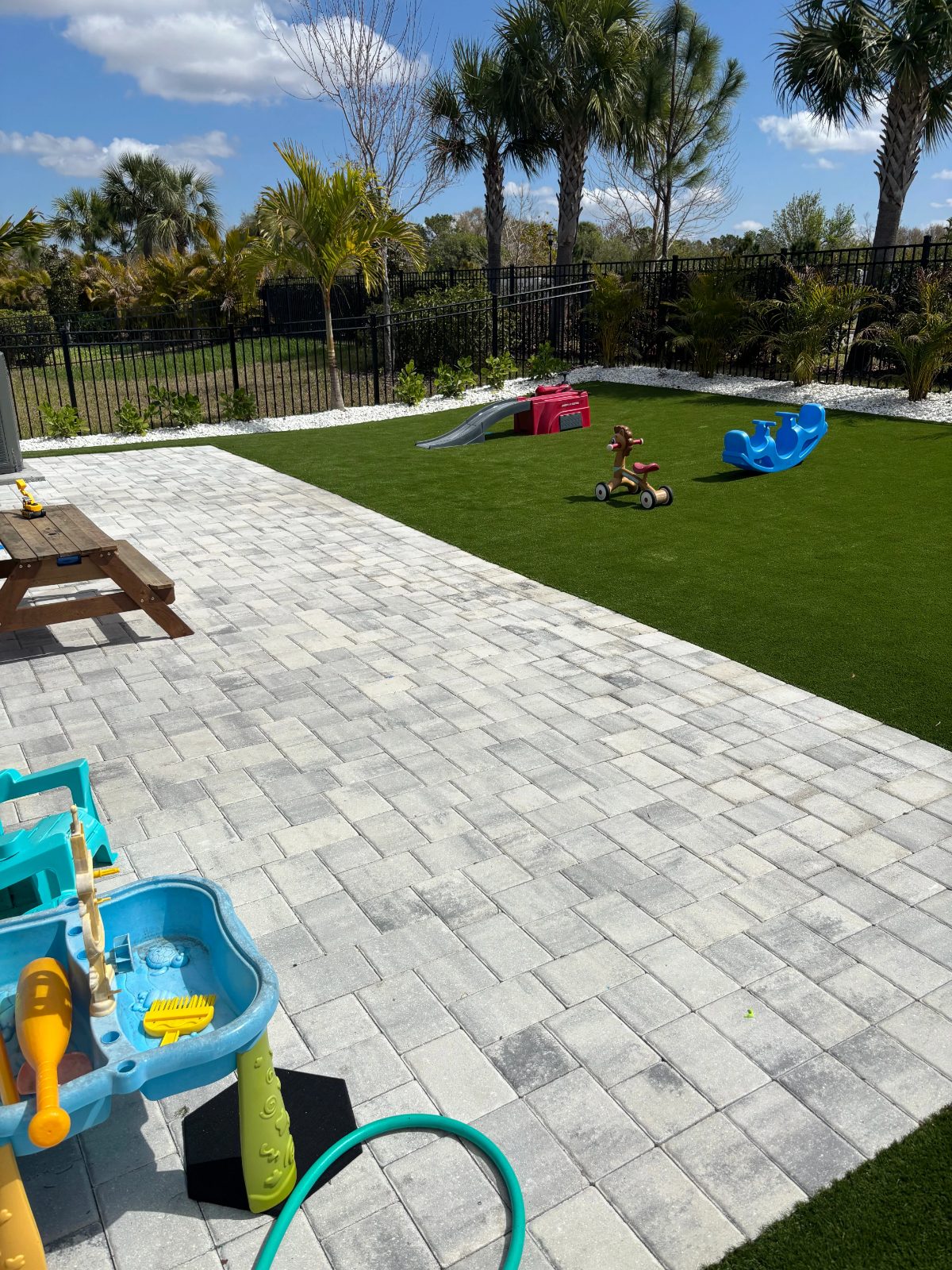
For families or properties that want one flexible outdoor surface, turf can support casual games, exercise, and general recreation while reducing worn grass.
| Service | Estimated Cost | Average |
|---|---|---|
| Compact training area | $4,000-$8,000 | $6,000 |
| Mid-size sports turf space | $8,000-$18,000 | $13,000 |
| Large multi-use area | $18,000-$40,000+ | $29,000 |
These planning ranges vary with area size, sport, turf specifications, base depth, drainage, site access, edge construction, infill, markings, and other performance requirements.
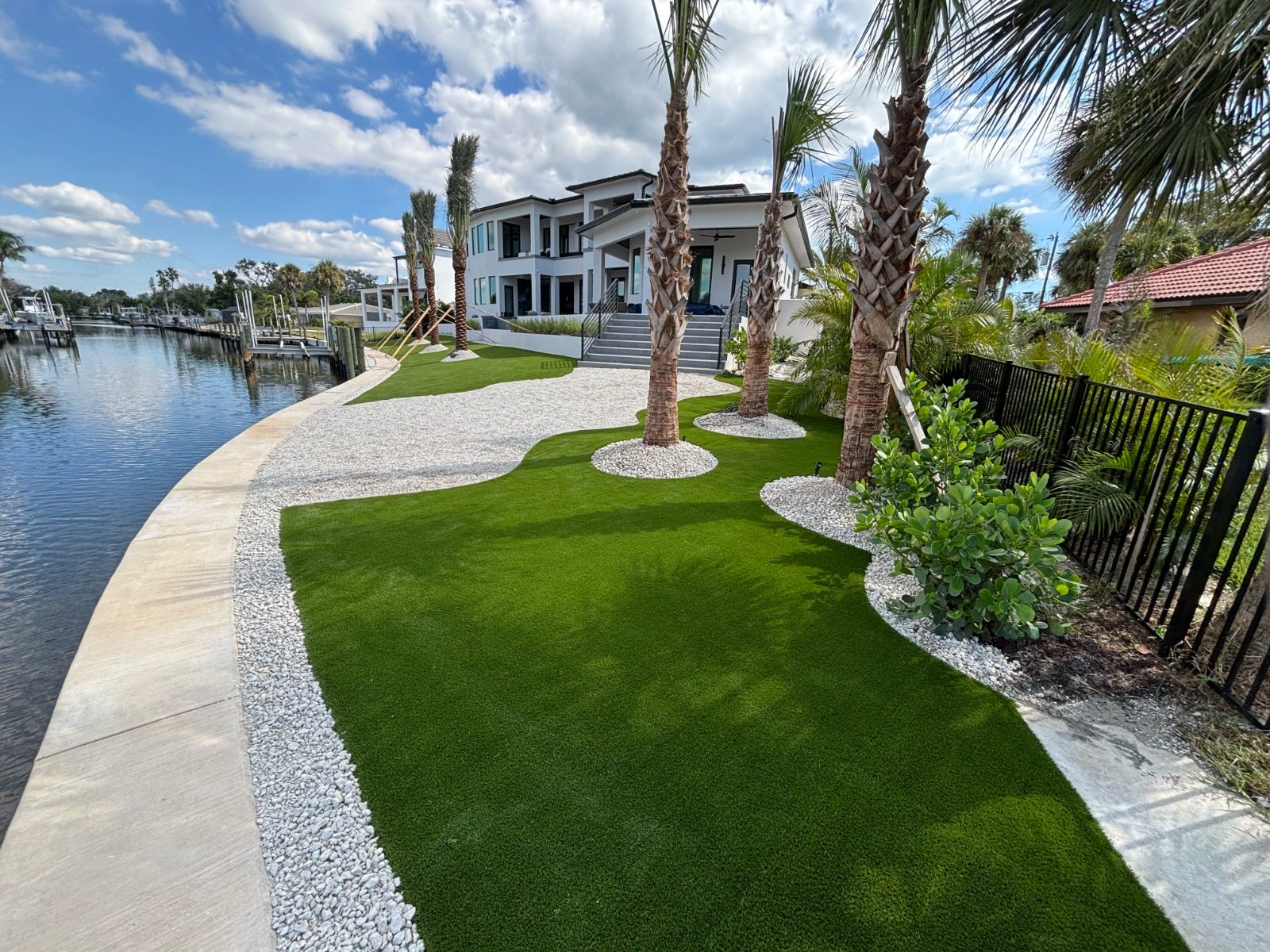
We start with the movements and training goals so turf and base choices support the actual use of the space.
Careful grading and compaction help create a predictable surface under repeated athletic traffic.
We account for Tallahassee rainfall and surrounding runoff so the new turf does not simply cover an existing low area.
We separate general residential practice surfaces from specialized competition fields that may require additional engineering, testing, or governing-body standards.
Tell us what you want to train for and the space you have available. We will help you plan a practical sports turf setup.
Free — no obligations
We identify the main sport, drills, traffic level, age group, and space limitations before planning the system.
Existing material is removed as needed, and the area is graded for stability, drainage, and the correct finished height.
Aggregate is installed and compacted to create the foundation for consistent athletic use.
The selected turf is positioned, seamed, secured, and finished with appropriate infill or project-specific details.
We inspect seams, edges, surface consistency, and cleanup, then discuss routine grooming and maintenance.